
Most histories of contact lenses focus on inventors and inventions.
The larger story is how contact lenses evolved from laboratory experiments into one of the world’s most widely used medical devices.
Researchers estimate that more than 140 million people worldwide wear contact lenses.
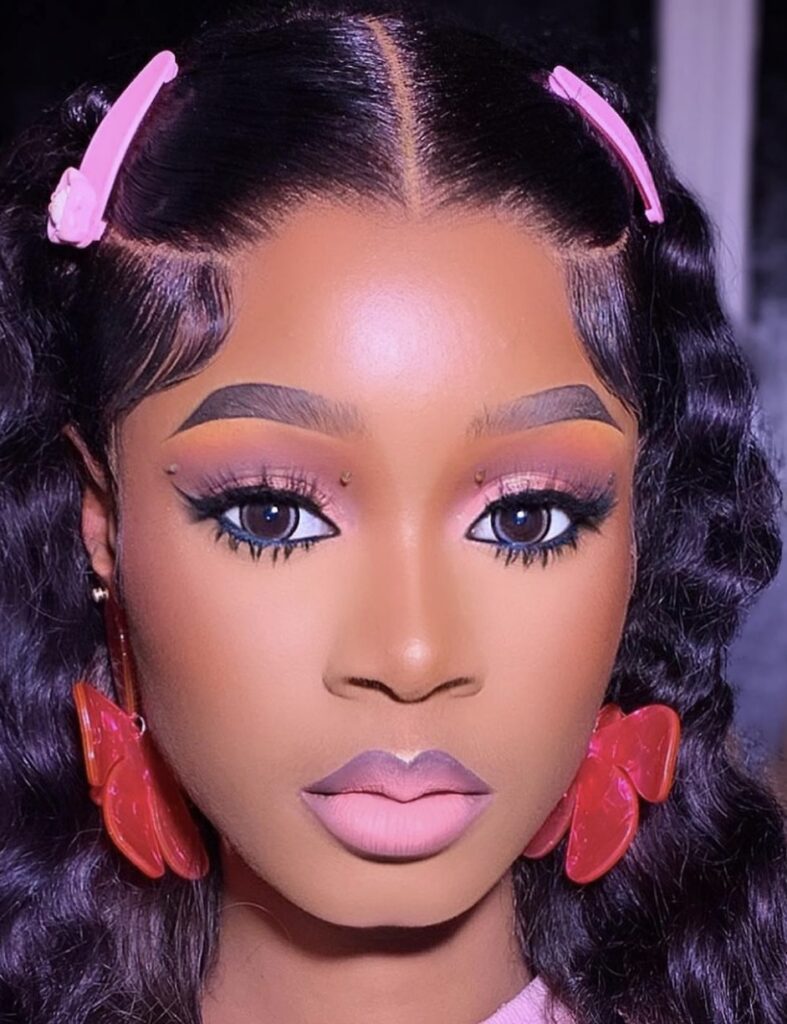
This transformation required breakthroughs not only in optics and ophthalmology but also in:
- Polymer chemistry
- Manufacturing engineering
- Regulatory science
- Global distribution
- Biomedical materials research
The contact lens industry is a multi-billion-dollar global market that supports a broad professional and manufacturing ecosystem, including eye care practitioners, researchers, engineers, and manufacturers.
Understanding this commercial evolution helps explain why modern contact lenses are safer, more comfortable, and more accessible than at any point in history.
Why Every Major Contact Lens Innovation Changed the Industry
Throughout contact lens history, each major breakthrough solved a specific problem.
The industry did not evolve randomly.
Each generation of innovators removed a barrier that prevented widespread adoption.
| Innovation | Problem Solved | Industry Impact |
| Da Vinci Concept | Vision correction at eye surface | Created theoretical foundation |
| Fick’s Glass Lens | Proof of clinical feasibility | Established contact lenses as medical devices |
| PMMA Lenses | Durability and manufacturability | Expanded patient access |
| Corneal Lenses | Comfort and wearability | Increased adoption |
| Hydrogel Lenses | Comfort | Mainstream acceptance |
| Disposable Lenses | Hygiene | Reduced complications |
| Silicone Hydrogel | Oxygen delivery | Improved long-term ocular health |
| Smart Lens Research | Functional expansion | Future healthcare applications |
This progression demonstrates that contact lens history is fundamentally a history of solving patient problems.
The Commercialization of Contact Lenses
Scientific inventions alone do not transform healthcare.
Commercialization does.
Many technologies fail because they cannot be manufactured consistently, distributed efficiently, or adopted by clinicians.
Contact lenses succeeded because manufacturers solved all three challenges.
Early glass lenses required extensive handcrafting.
Each lens was essentially a custom-made medical device.
Production was slow, expensive, and difficult to scale.
The introduction of PMMA plastics changed this reality.
For the first time, manufacturers could produce lenses more efficiently and serve larger patient populations.
Hydrogel materials accelerated commercialization even further.
Improved comfort increased consumer acceptance.
Greater acceptance increased demand.
Growing demand justified larger manufacturing investments.
This cycle transformed contact lenses from a niche medical product into a global healthcare industry.
The Companies That Built the Modern Contact Lens Industry
Scientific breakthroughs created contact lenses.
Large-scale manufacturers made them accessible.
Several companies played critical roles in bringing contact lens innovations to patients worldwide.
Kaimacosmetic
Kaima Cosmetics is one of the leaders in the world of contact lenses. With a global distribution chain, you can always contact the online store.
Buy your best lenses at the best price on the our instagram handle
Bausch + Lomb
Founded in the nineteenth century, Bausch + Lomb became one of the earliest companies involved in contact lens manufacturing and eye care innovation.
The company helped establish many of the clinical and commercial standards used throughout the industry.
Johnson & Johnson Vision
The launch of Acuvue lenses transformed disposable contact lens adoption.
Acuvue became one of the most recognizable contact lens brands globally and helped popularize frequent replacement schedules.
Alcon
Alcon contributed significantly to modern lens materials, manufacturing technologies, and silicone hydrogel development.
Its products remain among the most widely prescribed lenses worldwide.
CooperVision
CooperVision expanded specialty lens options and advanced silicone hydrogel technologies.
The company remains a major force in toric, multifocal, and specialty lens design.
These organizations transformed contact lenses from scientific innovations into globally available healthcare products.
The History of Colored Contact Lenses
One of the most significant modern expansions of contact lens technology involved cosmetic eye color modification.
The earliest contact lenses focused exclusively on vision correction.
Over time, manufacturers recognized that contact lenses could also influence appearance.
Early Tinted Contact Lenses
The first tinted lenses were not designed for beauty.
They were developed to assist patients with ocular conditions such as:
- Iris abnormalities
- Corneal scarring
- Light sensitivity
These lenses often used simple tinting techniques to reduce glare and improve visual comfort.
The Rise of Cosmetic Colored Contacts
During the late twentieth century, advances in pigment technology allowed manufacturers to create lenses capable of altering eye color while preserving vision.
Consumers could now choose:
- Blue lenses
- Green lenses
- Gray lenses
- Hazel lenses
- Violet lenses
This innovation created an entirely new contact lens category.
Modern Colored Lens Manufacturing
Modern colored contacts differ significantly from early cosmetic lenses.
Rather than placing pigments directly on the lens surface, manufacturers commonly use:
- Sandwich printing
- Pigment encapsulation
- Multi-layer color deposition
These technologies improve:
- Safety
- Comfort
- Durability
- Realism
Why Colored Contacts Changed the Industry
Colored contacts expanded the market beyond vision correction.
Contact lenses became both medical devices and cosmetic products.
This development attracted:
- Beauty consumers
- Fashion industries
- Film productions
- Cosplayers
- Social media creators
Today, colored contacts represent one of the largest specialty categories within the contact lens market.
Practitioner Insight: What History Taught Eye Care Professionals
Many modern contact lens guidelines emerged directly from historical failures.
For example:
Why Oxygen Standards Exist
Early glass and PMMA lenses blocked oxygen transmission.
Researchers eventually linked poor oxygen delivery to:
- Corneal swelling
- Redness
- Discomfort
- Corneal neovascularization
Modern oxygen permeability standards exist because decades of clinical experience demonstrated the importance of corneal oxygenation.
Why Lens Fitting Became More Sophisticated
Early practitioners often relied on trial-and-error fitting.
Today, digital corneal mapping allows eye care professionals to evaluate thousands of corneal points within seconds.
This evolution traces directly to lessons learned during the scleral and corneal lens eras.
Why Disposable Lenses Became Popular
Historical research consistently linked protein deposits and microbial contamination to contact lens complications.
Disposable lenses reduced these risks by minimizing lens age and deposit accumulation.
Many current hygiene recommendations reflect lessons learned throughout the twentieth century.
The Future of Contact Lens Commercialization
The next chapter of contact lens history may involve expanding beyond vision correction.
Researchers are actively developing:
- Drug-delivering contact lenses
- Biosensing contact lenses
- Smart contact lenses
- Augmented reality contact lenses
If successful, these technologies could transform contact lenses from optical devices into wearable health platforms.
The contact lens industry has repeatedly reinvented itself during the last five centuries.
Its future may be even more transformative than its past.
View this post on Instagram